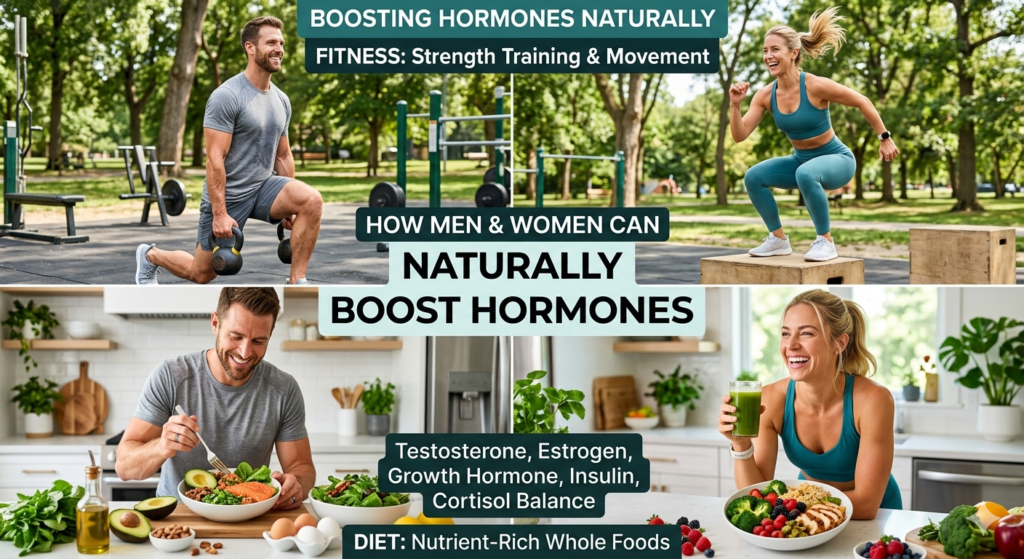
We often talk about health in terms of weight or muscle, but the real engine behind how you feel every single day is your hormones. They are the invisible chemical messengers running the show. When they’re in sync, you feel like you can take on the world; when they’re out of whack, even getting out of bed can feel like a chore.
Living in a vibrant city like Jaipur, our lives are a mix of traditional roots and modern hustle. Between the delicious but heavy street food and the long hours at the office, our internal balance can take a hit. The good news? You don’t always need a magic pill to get back on track. Small, consistent shifts in how you move and what you put on your plate can make a world of difference.
Why Hormones Matter More Than You Think
Think of your hormonal system like a finely tuned orchestra. If the violin (insulin) is screeching or the drums (cortisol) are too loud, the whole song is ruined. For men, this often looks like dipping testosterone levels, leading to fatigue or a loss of drive. For women, it might manifest as thyroid issues, irregular cycles, or sudden mood swings.
While it is always wise to consult a sexologist doctor online if things feel seriously off, many of us can find relief by simply returning to the basics of human biology: nutrition and movement.
The Nutritional Blueprint for Hormonal Harmony
What you eat is literally the raw material your body uses to manufacture hormones. If you give it junk, you can’t expect high-quality output.
1. Healthy Fats are Non-Negotiable
For years, we were told to fear fat. That was a mistake. Hormones like estrogen and testosterone are actually made from cholesterol. If you cut out fats entirely, you’re starving your hormonal production line.
- For Men: Focus on monounsaturated fats found in olive oil, avocados, and nuts. These support testosterone production.
- For Women: Omega-3 fatty acids found in flaxseeds, walnuts, and fatty fish are incredible for reducing inflammation and supporting menstrual health.
2. Protein: The Building Blocks
Protein isn’t just for bodybuilders. It influences the release of hormones that control your appetite. Eating enough protein helps lower “ghrelin” (the hunger hormone) and stimulates “leptin” (the fullness hormone). In Rajasthan, we have a wealth of protein-rich lentils. Incorporating moong dal or chana into your daily meals ensures your body has the amino acids it needs to keep your metabolism humming.
3. Fiber and Gut Health
Your gut is often called the “second brain,” but it’s also a hormone powerhouse. Fiber helps clear out excess estrogen from the body. If your digestion is sluggish, those hormones can get reabsorbed, leading to dominance issues. Aim for plenty of leafy greens, whole grains, and seasonal fruits like guavas or papayas.
Fitness Strategies for Men and Women
Movement is a powerful “hormone reset” button, but the type of movement matters depending on your goals.
For Men: Strength and Intensity
If you’re looking to boost testosterone and growth hormone naturally, lifting heavy things is the way to go.
- Compound Movements: Exercises like squats and deadlifts engage multiple muscle groups and trigger a significant hormonal response.
- Don’t Over-Cardio: While walking is great, spending hours on a treadmill can actually increase cortisol, which can suppress testosterone. Keep your intense cardio sessions short and sweet.
For Women: Syncing with Your Cycle
Women’s bodies operate on a monthly rhythm, and your fitness should reflect that.
- The Follicular Phase: After your period, your energy rises. This is the time for higher-intensity workouts or strength training.
- The Luteal Phase: Before your period starts, your body is under more internal stress. Switching to yoga, Pilates, or long walks through Jawahar Circle or Central Park can help keep cortisol low.
The Silent Hormone Killers: Stress and Sleep
You can have a perfect diet and a rigorous gym routine, but if you aren’t sleeping, you’re fighting a losing battle.
The Power of 7 Hours
Sleep is when your body goes into “repair mode.” Most testosterone production in men happens during REM sleep. For women, lack of sleep disrupts the balance of estrogen and progesterone, often leading to increased cravings for sugar and caffeine the next day.
Managing the “City Stress”
Jaipur is beautiful, but the traffic and noise can keep our “fight or flight” response permanently switched on. High cortisol levels are the enemy of almost every other hormone. Whether it’s a five-minute meditation, a hobby, or simply disconnected time away from your phone, finding a way to de-stress is a biological necessity.
When to Seek Professional Advice
Natural methods are incredibly effective for maintenance and mild imbalances. However, sometimes the body needs a bit more help. If you find yourself struggling with persistent low energy, sudden weight changes, or intimacy issues that don’t improve with lifestyle changes, it’s time to talk to an expert.
With the rise of digital health, you can now easily consult a sexologist doctor online from the comfort of your home. This allows for a private, professional discussion to rule out any underlying medical conditions that might require clinical intervention.
Conclusion
Boosting your hormones naturally isn’t about a radical life overhaul overnight. It’s about the small, quiet choices. It’s choosing the handi dal over the deep-fried snack. It’s choosing a 20-minute walk in the cool morning air over another hour of scrolling. By prioritizing healthy fats, consistent strength movement, and genuine rest, you’re giving your body the environment it needs to thrive. Listen to your body—it’s usually telling you exactly what it needs.
Frequently Asked Questions
1. How long does it take to see results from natural hormone boosting?
Usually, you’ll start feeling a difference in your energy levels and mood within 2 to 4 weeks. However, for significant physical changes or cycle regulation, it typically takes about 3 months of consistent lifestyle changes.
2. Can certain foods really lower my hormones?
Yes. Over-consuming highly processed sugars, excessive alcohol, and certain soy isolates can interfere with hormonal signaling in some people. Balance is key—you don’t have to be perfect, just mindful.
3. Is it safe to consult a sexologist doctor online?
Absolutely. Online consultations are a secure and private way to discuss sensitive health matters. Just ensure you are using a verified platform with licensed and experienced professionals.
4. Does age play a big factor in natural boosting?
While hormones naturally shift as we age (menopause in women and andropause in men), lifestyle choices remain the most significant factor in how gracefully those transitions happen. You are never “too old” to improve your hormonal health.