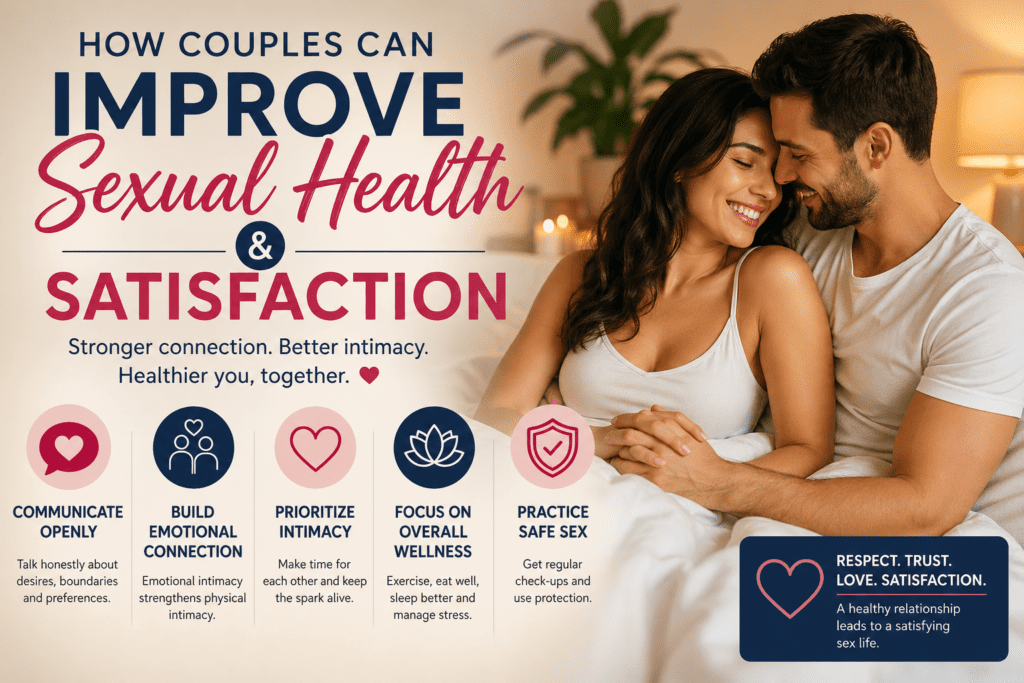
The decision to become physically intimate before tying the knot is one of the most deeply personal choices a person can make. In a culturally vibrant and rapidly evolving city like Jaipur, this topic sits right at the intersection of deeply rooted traditional values and modern, changing lifestyles.
While the physical aspects of sex are frequently discussed in global media, the emotional and psychological aftermath is rarely talked about openly over a cup of kulhad chai. But the truth is, your mind is just as involved as your body, if not more.
Let’s break down the real, human side of the psychological impact of sexual activity before marriage—looking at both the beautiful highs and the complex challenges, while figuring out how to navigate them.
The Bright Side: Building a Deeper Bond
For many modern couples, exploring intimacy before marriage isn’t just about physical pleasure; it’s a way to understand each other on a completely different level.
1. Breaking the Ice and Building Trust
Stepping into the world of physical intimacy requires a massive amount of vulnerability. When you share that side of yourself with a partner, it can fast-track emotional closeness. It strips away the superficial layers of dating and forces you to communicate your boundaries, desires, and fears.
2. Discovering Sexual Compatibility
Let’s be honest: physical chemistry matters. For many couples, understanding couple sexual health and preferences before making a lifelong commitment provides immense clarity. Discovering what makes each other tick—and ensuring you are on the same page physically—can reduce a lot of anxiety about what life will look like after marriage. It removes the “gambling” aspect of physical compatibility that traditional setups sometimes carry.
3. Stress Relief and Emotional Safety
When intimacy is rooted in mutual respect, it releases a cocktail of feel-good hormones like oxytocin and endorphins. This can create a profound sense of emotional safety, making the relationship feel like a secure harbor against the daily stresses of work, family expectations, and life in a bustling city.
The Complex Side: The Emotional Baggage and Hurdles
It isn’t always smooth sailing, though. Because we live in a society that is transitioning between conservative roots and modern ideals, entering into a pre-marriage sexual relationship can trigger a unique set of psychological challenges.
1. The Heavy Weight of Guilt and Anxiety
One of the most common psychological side effects is internal conflict. If you have grown up in a traditional household where abstinence was preached as the ultimate virtue, breaking that mental barrier can cause intense guilt.
You might find yourself constantly worrying: What if someone finds out? What if my family senses a change? This persistent anxiety can cast a shadow over what should otherwise be a positive experience, leading to mood swings and emotional distance.
2. The Over-Attachment Trap
Oxytocin is often called the “bonding hormone” for a reason. For many people—especially women, due to biological and social conditioning—sexual intimacy deepens emotional attachment incredibly fast.
The psychological risk here is becoming deeply attached to someone who might not actually be a good match for you long-term. You might find yourself tolerating red flags, disrespect, or incompatibility simply because the physical bond is keeping you anchored to them.
3. Fear of Judgment and The “What Ifs”
In close-knit social circles, the fear of judgment is incredibly real. The anxiety of “what happens if we break up?” can loom large. This fear can lead to paranoia, causing couples to over-isolate themselves or become overly secretive, which ultimately strains their mental peace and the relationship itself.
Navigating the Emotional Rollercoaster
If you find that physical intimacy is bringing more stress than joy into your life or relationship, it doesn’t mean your relationship is doomed. It just means you need to pause, reset, and look for practical relationship & intimacy solutions.
Start with Radical Honesty
You need to talk to your partner—not just about your favorite movies or weekend plans, but about how your physical relationship makes you feel inside. If you are feeling guilty, say it. If you feel pressured, speak up. A partner who truly values you will respect your psychological boundaries just as much as your physical ones.
Align Your Expectations
Are you both on the same page? If one person views intimacy as a casual expression of affection while the other sees it as a definitive promise of marriage, psychological distress is inevitable. Clear up the ambiguous areas early on to save yourselves from massive heartbreaks later.
Unlink Your Self-Worth from Your Choices
Whatever choice you make—whether to wait or to move forward—your character and worth as a human being remain unchanged. Society often creates rigid boxes, but your mental well-being depends on your ability to make conscious, consensual choices that align with your personal values, rather than acting out of pressure from either peers or old-school guilt.
The Verdict: Balance is Key
At the end of the day, sexual activity before marriage doesn’t have a single, universal psychological outcome. For some, it acts as a beautiful catalyst that strengthens their emotional foundation. For others, it introduces layers of anxiety, societal fear, and emotional confusion.
The determining factor isn’t the act itself, but the context surrounding it. True intimacy thrives on mutual respect, open communication, safety, and emotional maturity. When those elements are present, the psychological impact leans toward growth and connection. When they are missing, it breeds anxiety. Listen to your gut, respect your partner, and prioritize your peace of mind above all else.
Frequently Asked Questions (FAQs)
1. Is it normal to feel guilty after being physically intimate before marriage?
Yes, it is incredibly common, especially in culturally conservative settings. This guilt usually stems from a conflict between your actions and the deeply ingrained beliefs or societal norms you grew up with. Taking time to understand your own values can help ease this internal conflict.
2. Can physical intimacy before marriage cause a relationship to break look faster?
Not necessarily. Intimacy itself doesn’t break a relationship; however, a mismatch in expectations or a lack of emotional maturity can. If a relationship is built solely on physical attraction without a foundation of friendship and shared values, it may struggle to survive long-term.
3. How do we know if we are genuinely compatible or just infatuated?
Look at how you connect outside of the bedroom. Do you enjoy each other’s company when you are just sitting in silence or running mundane errands? Can you communicate openly about difficult topics? If your emotional connection and respect for each other are just as strong as your physical chemistry, it’s a sign of true compatibility.
4. What should we do if our views on intimacy don’t match?
Communication is your best tool. Sit down and have an open, non-judgmental conversation about your boundaries and comfort levels. Never pressure your partner, and do not allow yourself to be pressured. If you cannot find middle ground, it might be helpful to seek guidance from a relationship counselor.