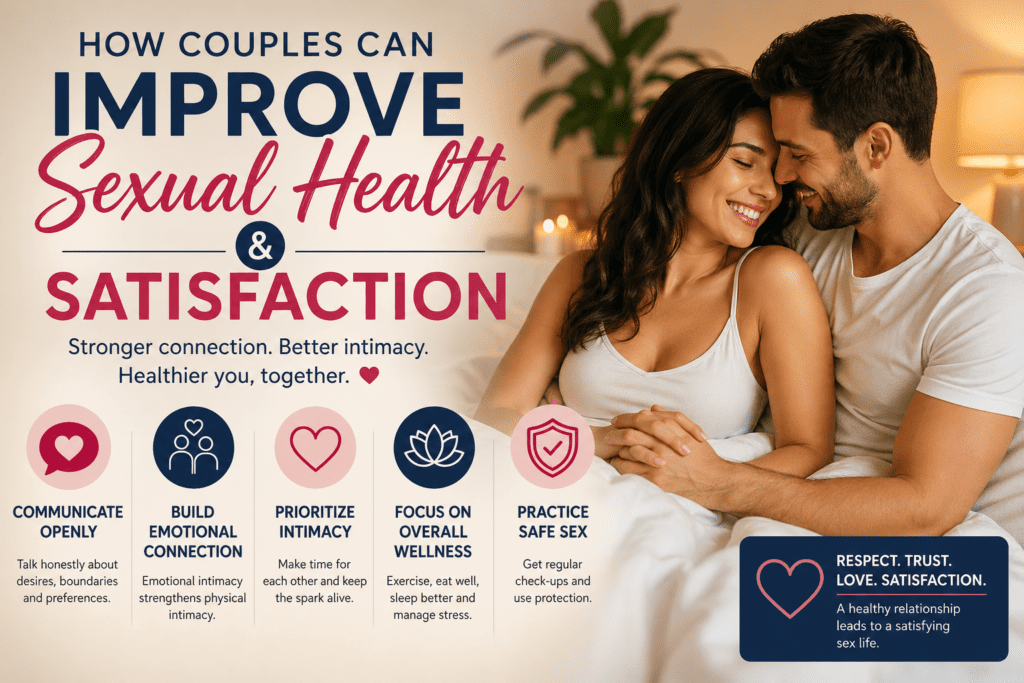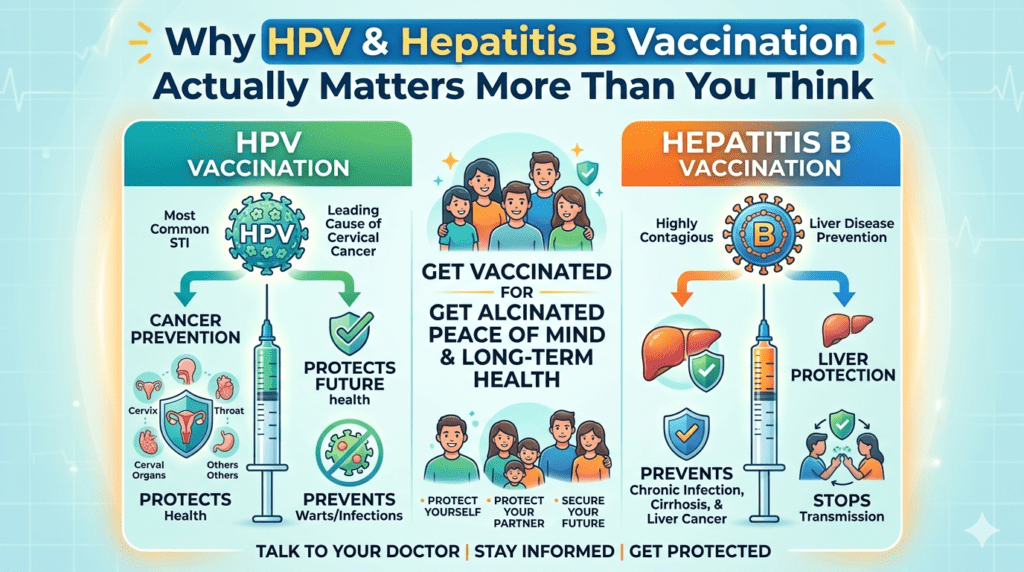
When we talk about intimacy before marriage, let’s be real: we aren’t just talking about holding hands or long walks on the beach. We’re talking about that magnetic pull, the chemistry that keeps you up at night, and the physical bond that makes you feel like the only two people in the room.
However, even the most “electric” couples can stumble. When the physical side of a relationship is intense, it can actually mask problems that end up causing friction later on. Here is a look at the more “grown-up” mistakes couples make when things get heated.
1. Using “Chemistry” to Cover Up “Character”
We’ve all been there—the physical attraction is so strong that you’re willing to ignore the red flags. You might argue all day, but if the night ends with incredible physical connection, you tell yourself the relationship is fine.
This is a dangerous cycle. Great physical chemistry is a wonderful thing, but it’s not a substitute for a partner who respects you, listens to you, and shows up for you. If the “bedroom” is the only place you truly get along, you’re building a house on sand. Once the initial “honeymoon” hormones settle down—and they eventually do—you’ll be left with a person you don’t actually like very much.
The fix? Make sure you enjoy their company with their clothes on just as much as you do when they’re off.
2. The “Performance” Pressure
In an age of social media and easily accessible adult content, many people feel like they have to “perform” to be attractive. They worry about their bodies, their techniques, or meeting some imaginary standard of perfection.
This pressure is the ultimate mood-killer. Real intimacy isn’t a movie production; it’s about connection. When you’re too focused on how you look or whether you’re “doing it right,” you stop being present with your partner. The most attractive thing you can bring to the table is confidence and the ability to laugh when things get a little clumsy.
3. Silence is Not Always Golden
There is a weird myth that talking about what you like physically “ruins the magic.” In reality, expecting your partner to be a mind reader is a recipe for frustration.
One of the biggest mistakes couples make is not being vocal about their desires, their boundaries, or their “turn-ons.” If you can’t talk about these things before you’re married, the silence will only get louder afterward.
If you’re feeling hesitant or have questions about your physical health that are affecting your confidence, don’t spiral into Google-search-anxiety. Speaking with an expert like Dr. Jolly Arora can give you the professional perspective you need to feel empowered and informed. There is nothing more attractive than a partner who knows themselves and communicates what they need.
4. Neglecting the “Slow Burn”
When you’re young and in love, it’s easy to go from zero to sixty in seconds. But long-term intimacy—the kind that lasts decades—requires a “slow burn.”
Many couples forget the art of the tease. They stop the flirting, the suggestive texts, and the non-physical touch that builds tension throughout the day. If you only focus on the “end goal,” the journey becomes predictable. To keep the spark alive long-term, you have to value the build-up just as much as the climax.
5. Ignoring Sexual Compatibility and Health
Compatibility isn’t just about liking the same movies; it’s about having similar views on physical frequency, variety, and health.
Couples often avoid the “practical” side of 18+ topics, like:
- Contraception and Family Planning: Have you actually agreed on a plan?
- Sexual Wellness: Are you both being proactive about your health?
- Past Experiences: How do they shape your current comfort levels?
Consulting with a specialist like Dr. Jolly Arora is a great way to handle the medical side of these conversations. Getting a clean bill of health or addressing physical hurdles early on ensures that your physical life is a source of joy, not a source of secret stress.
Final Thoughts: The Balance of Power
Intimacy is where you are your most vulnerable. It’s powerful, it’s fun, and it’s a vital part of a healthy marriage. But it shouldn’t be the only thing holding you together.
By being honest about your needs, taking care of your health, and refusing to settle for “performance” over “connection,” you’re setting yourself up for a lifetime of genuine, high-voltage intimacy. Keep it real, keep it honest, and don’t be afraid to ask for professional help when you need it.
FAQs
Q1: How do I tell my partner I want to try something new without making them feel “not enough”?
Communication is all about the “positive spin.” Instead of saying “I don’t like X,” try saying, “I’ve been thinking about trying Y, and I think it would be really hot to do that with you.” Focus on the “we” and the excitement of exploring together.
Q2: Is it normal for the “spark” to fade during the stress of wedding planning?
Yes, 100%. Stress produces cortisol, which is the enemy of desire. Don’t panic. Just make sure you’re carving out “non-wedding” time where you don’t talk about flowers, catering, or the guest list.
Q3: Does seeing a doctor like Dr. Jolly Arora mean there is a “problem”?
Not at all. In fact, many people see specialists for optimization and education. It’s about being proactive. Think of it like a tune-up for a high-performance car—you don’t wait for it to break down to take care of it!
Q4: What if my partner and I have very different comfort levels with 18+ topics?
Patience is key. Everyone has a different history and “pace.” Start with small conversations and build trust. When someone feels safe and not judged, they are much more likely to open up over time.