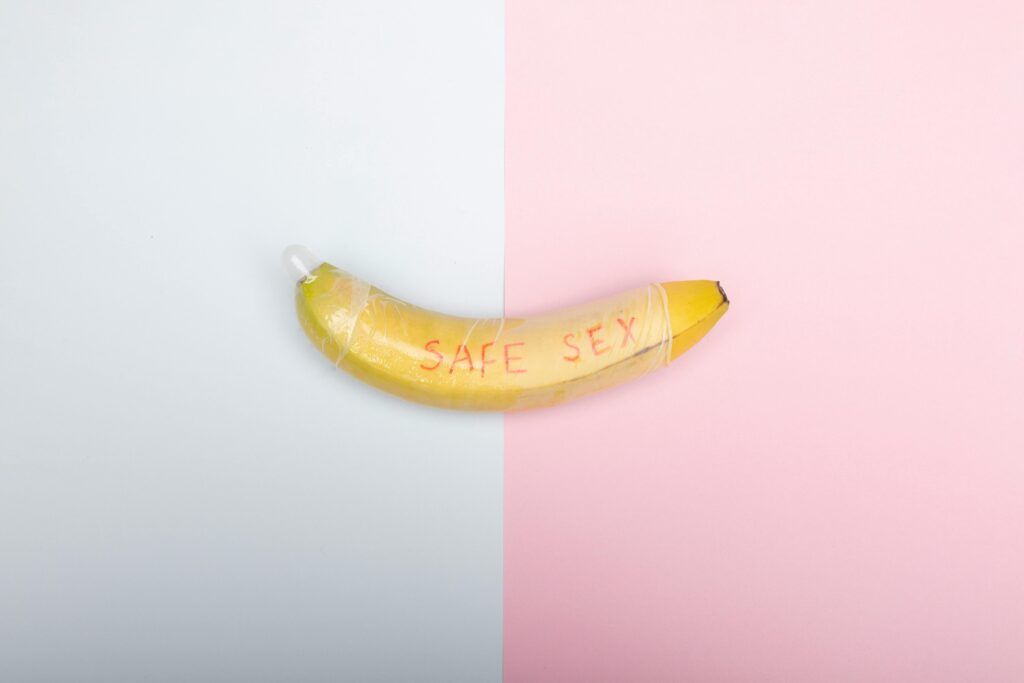
When it comes to sexual health, “HIV” is a word that often carries a heavy weight of fear, confusion, and unfortunately, a lot of outdated information. If you’ve recently had a scare or are just looking to educate yourself, you’ve probably spent hours scrolling through medical websites that feel cold and clinical.
But here’s the thing: sexual health isn’t just a medical topic—it’s a human one. Living in a vibrant city like Jaipur, where the culture is a mix of traditional values and a modern lifestyle, talking about these things can sometimes feel awkward. However, understanding the actual risks of HIV after unprotected sex is the first step toward taking control of your well-being.
Let’s break it down in plain English, minus the scary jargon.
The Reality of the Risk: What Happens During One Encounter?
One of the most common questions people ask is: “Can I get HIV from just one mistake?” The honest answer is yes, it is possible. But it is also important to understand the “risk per act.”
HIV isn’t as “contagious” as the common cold or a flu. It requires specific conditions to move from one person to another. During unprotected sex, the virus travels through bodily fluids—specifically semen, vaginal secretions, or rectal fluids. For the virus to take hold, it needs a point of entry. This usually happens through microscopic tears in the delicate tissue of the genital or anal area. These tears are often so small you can’t even feel them, but they are wide enough for a virus to pass through.
In Jaipur, we see a lot of people who delay testing because they think, “It only happened once, I’m probably fine.” While the statistical probability of contracting HIV from a single act might seem low on paper, statistics don’t matter if you happen to be that “one.” That’s why being proactive is much better than being lucky.
Why Some Acts Are Riskier Than Others
Not every encounter carries the same level of risk. Several factors can increase the likelihood of transmission:
The Type of Act: Anal sex carries a higher risk of transmission than vaginal sex because the rectal lining is thinner and more prone to tearing.
The Presence of Other Infections: If you already have an untreated STI (like Syphilis or Herpes), your risk of contracting HIV increases significantly. This is because STIs often cause sores or inflammation, giving the virus an open door into your bloodstream.
Viral Load: If a partner is HIV-positive but is on effective treatment (ART) and has an “undetectable” viral load, the risk of transmission is effectively zero. This is a medical breakthrough known as U=U (Undetectable = Untransmittable).
The Importance of Professional Guidance
If you find yourself in a situation where you’re worried about exposure, the worst thing you can do is self-diagnose via Google. You need to speak with someone who understands both the clinical and emotional sides of the situation.
In our local medical community, experts like Dr. Jolly Arora have been instrumental in helping patients navigate these sensitive concerns. Having a trusted professional to talk to ensures that you get the right tests at the right time, rather than wasting money on unnecessary procedures or living in a state of constant anxiety. Whether it’s discussing the need for immediate preventive medication or setting up a testing schedule, having an expert in your corner makes all the difference.
What to Do If You’ve Been Exposed: The 72-Hour Rule
Most people don’t realize that there is an “emergency” option for HIV exposure, much like an emergency contraceptive pill. It’s called PEP (Post-Exposure Prophylaxis).
If you believe you’ve been exposed to HIV, you have a very short window—72 hours—to start PEP. These are antiretroviral medicines that can stop the virus from taking hold in your body. The sooner you start it, the better. If you’re in Jaipur and have had an incident on a Saturday night, don’t wait until Monday morning to “see how you feel.” Head to a clinic or a hospital immediately.
The Testing Timeline: Don’t Rush, But Don’t Wait
One of the most frustrating parts of HIV awareness is the “Window Period.” This is the time it takes for your body to produce enough markers (antibodies or antigens) for a test to detect.
The 4th Generation Test: This is the most common test today. It can usually detect HIV within 18 to 45 days after exposure.
The Rapid Test: Often used in community screenings, these might take up to 90 days to be 100% conclusive.
If you test too early (like the day after sex), the result will almost certainly be negative, but it won’t be accurate. You have to wait for the window period to pass to be sure.
Living in Jaipur: Privacy and Testing
I know that in a city like ours, privacy is a huge concern. Many people avoid going to their family doctor because they are afraid of being judged or having their status leaked.
The good news is that Jaipur has several Integrated Counseling and Testing Centres (ICTC) and private labs where testing is strictly confidential. You don’t have to give your life story to get a blood draw. Modern clinics prioritize patient anonymity because they know that fear of stigma is the biggest barrier to health.
Beyond the Virus: The Mental Toll of a “Scare”
We often talk about the physical virus, but we rarely talk about “HIV Anxiety.” The weeks spent waiting for a test result can be incredibly draining. You might start imagining symptoms—fever, night sweats, rashes—simply because you’ve read about them online.
Remember that stress itself can cause physical symptoms. The best way to kill the anxiety is to get the facts and get the test. Even if the result is something you didn’t want, HIV is no longer the death sentence it was in the 1990s. With modern medicine, people with HIV live long, full, and happy lives, get married, and have healthy children.
Conclusion
At the end of the day, unprotected sex happens. Mistakes happen. But a mistake shouldn’t define your future health. By understanding the risks, knowing about emergency options like PEP, and consulting with experienced professionals like Dr. Jolly Arora, you can navigate this situation with a clear head.
Jaipur is a city that looks forward, and our approach to health should be the same. Don’t let fear paralyze you. Get tested, stay informed, and remember that your health is worth the 10-minute discomfort of a blood test.
Frequently Asked Questions (FAQs)
- Can I get HIV from oral sex?
The risk of contracting HIV through oral sex is extremely low. While not zero, it is significantly lower than vaginal or anal sex. However, other STIs like Gonorrhea or Syphilis can be easily spread this way. - How soon can I get tested after unprotected sex?
While some advanced tests can detect the virus within 10-15 days, most doctors recommend waiting at least 4 weeks (28 days) for a 4th-generation antigen/antibody test to get a reliable result. - Is a negative result at 6 weeks conclusive?
For most modern tests, a negative result at 6 weeks is very encouraging and highly accurate. However, for absolute certainty, many guidelines suggest a final “top-up” test at the 90-day (3-month) mark. - What are the symptoms of HIV in the first few weeks?
Some people experience “Acute Retroviral Syndrome,” which feels like a bad flu (fever, sore throat, fatigue). However, many people have no symptoms at all. You cannot rely on symptoms to know your status; only a test can tell you. - Does a condom provide 100% protection?
When used correctly and consistently, condoms are incredibly effective at preventing HIV. They are the best defense we have, but they must be worn properly from start to finish to ensure maximum safety.