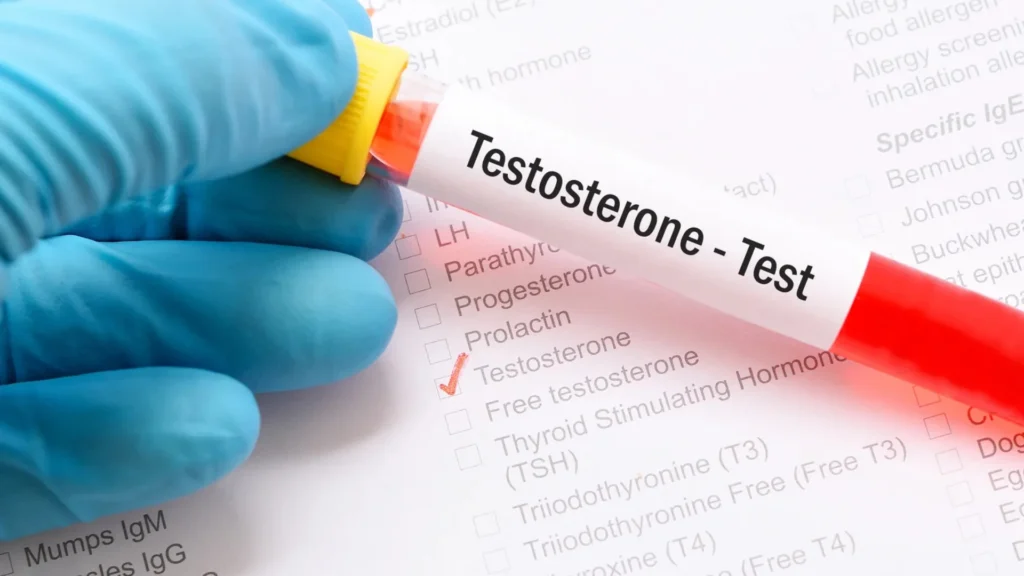
You used to run on five hours of sleep and still make it to the gym. Lately you wake up tired, your waistline is creeping out even though your diet hasn’t changed, and intimacy with your partner has gone quiet. You blame work, age, maybe a phase. Often that’s true. But sometimes the real reason is a hormone most men never think about until it goes missing.
Doctors use the shorthand low T for it. In my clinic, many men arrive after months of worrying in silence, and most feel real relief when they learn that this has a name, a simple blood test and a clear treatment path. This guide explains what is happening, how to separate a hormone problem from plain stress, what causes the drop, and how it’s treated.
| Quick answers Testosterone below roughly 300 ng/dL on two separate early-morning tests, together with symptoms, is generally treated as a medical issue.Tiredness, low mood and weak desire overlap with stress, diabetes, thyroid disease and depression, so symptoms alone can’t confirm anything.Most men improve once the underlying cause is found and corrected, and some need monitored hormone treatment. |
What Testosterone Does Inside the Body
Testosterone is the main male sex hormone. The testicles make most of it, while the pituitary gland in the brain acts like a thermostat, telling the testicles when to speed up or slow down. Its job goes well beyond desire. It helps build muscle and bone, makes red blood cells, decides where the body stores fat, steadies mood and motivation, and keeps sperm production running.
Levels peak in the late teens and twenties, then ease down by roughly one percent a year after thirty to forty. That slow slide is part of ageing. When the fall is sharper and symptoms follow, doctors call it male hypogonadism, and the wider picture of too little hormone is described as testosterone deficiency. Some people say andropause, but unlike menopause, this change has no fixed age and doesn’t happen to every man.
What Counts as Normal, and What Counts as Low?
Reference ranges vary from lab to lab, but a normal testosterone level in men usually sits between about 300 and 1,000 ng/dL in a morning sample. Levels are highest early in the day and dip later, so a single evening report can mislead. A doctor will usually call it low only when two early-morning results fall under 300 ng/dL and the symptoms match.
Your report may list more than one value, and each tells a different story:
- Total testosterone: everything circulating in the blood, bound and unbound. This is the first screening test.
- Free testosterone: the small fraction that’s active and available to your tissues. It matters most when the first result looks borderline.
- Sex hormone binding globulin: a protein that holds testosterone tightly. When it runs high, your total value can look normal while the active hormone is short.
The Symptoms Men Notice First, and the Ones They Miss
The low testosterone symptoms rarely arrive all at once. They creep in over months, which is exactly why they get dismissed. Here’s how they usually group together.
Sexual changes
- Fading desire. Low sex drive in men is the most common complaint, often described as “I just don’t feel like it anymore.”
- Fewer or weaker morning erections, and trouble getting or keeping a firm one. Testosterone supports the machinery behind erections, but it is rarely the only culprit in erectile dysfunction, so other causes need checking too.
- Lower semen volume and, in some men, a low sperm count that comes to light only when a couple struggles to conceive.
Physical changes
- Fatigue and low energy that a full night’s sleep doesn’t repair.
- Stubborn belly fat even when food and exercise haven’t changed.
- Loss of muscle mass and strength, with slower recovery after workouts.
- Testicular shrinkage, thinning body hair, hot flushes, and sometimes tender or enlarged breast tissue (gynecomastia).
Mood and thinking
- Mood swings, irritability, or a flat, joyless feeling that’s hard to explain.
- Brain fog and a drop in drive at work.
Age offers little protection. Low testosterone in 30s is far more common than most men expect, and the signs of low testosterone in young men are often brushed off as a lazy lifestyle. When it happens this early, I look for a reason underneath: weight, sleep, medicines, steroids, or a testicular or pituitary problem.
Hormones, Stress or Depression? How to Tell the Difference
Because the complaints overlap, many men spend months treating the wrong thing. This comparison shows how the three usually differ. They can also coexist, so a blood test remains the only reliable separator.
| Feature | Hormone deficiency | Chronic stress or burnout | Depression |
| Sexual desire | Steadily low, often with fewer morning erections | Drops under pressure, returns on holidays | Low across all interests, including sex |
| Energy | Tired even after good sleep | Tired but wired; improves with rest | Heavy, with early waking or oversleeping |
| Mood | Irritable, flat, low drive | Anxious, tense, overwhelmed | Persistent sadness, emptiness or guilt |
| Best way to confirm | Early-morning blood test | Clinical assessment of stress load | Assessment by a doctor or psychologist |
Why Does It Drop? The Real Causes
Understanding the causes of low testosterone matters because treatment depends on where the trouble starts. Broadly, it begins in one of three places.
- The testicles themselves. Injury, twisting of the testis, mumps that reached the testes, undescended testes, chemotherapy or radiation, and genetic conditions such as Klinefelter syndrome.
- The brain’s control centre. Pituitary or hypothalamus tumours, head injury, or raised prolactin, which can come from a benign pituitary growth or from certain medicines.
- The rest of the body. Excess weight, diabetes, poor sleep, medicines and substance use can quietly suppress the hormone even when the testicles are perfectly healthy.
That third group is by far the most common one I see, so it’s worth spelling out:
- Obesity. Fat tissue converts testosterone into estrogen and lowers the carrier protein, so levels slide as weight climbs.
- Type 2 diabetes and metabolic syndrome. The link runs both ways: low hormone worsens insulin resistance, and high sugar suppresses hormone production.
- Obstructive sleep apnea. Loud snoring, gasping at night and daytime sleepiness are the clues. Broken sleep directly lowers testosterone.
- Anabolic steroids. Many young gym-goers take them for quick results, and the body responds by switching off its own production, sometimes for months and occasionally for good.
- Opioid painkillers, long-term steroid tablets, heavy drinking, smoking, and chronic liver, kidney or infectious illness.
- Chronic stress, crash dieting and extreme endurance training. A shortage of vitamin D is also widespread in India and worth testing, though fixing it isn’t a proven cure by itself.
How the Diagnosis Is Made
A good doctor won’t hand you tablets after a five-minute chat. A proper workup looks like this:
- A detailed history and examination: symptoms, medicines, sleep, weight, body hair and testicular size.
- A testosterone blood test drawn between 7 and 10 AM, repeated on another day if the first result is low.
- Follow-up hormones when the result is low. LH and FSH show whether the fault lies in the testes (they run high) or in the brain (they run low or normal). Prolactin and thyroid tests are added as needed.
- Before any hormone therapy: a PSA test for the prostate in men over 40, and a hematocrit reading to see how thick your blood is.
- A semen analysis if you’re planning a baby, now or later.
Treatment: What Works and What Doesn’t
There’s no single answer. The plan depends on the cause, your age, how severe the symptoms are, and above all whether you want children. Fixing the underlying trigger comes first, and for many men that alone brings levels back up.
When medication is needed, testosterone replacement therapy is the standard option. It comes as a daily gel, a patch, or an injection given every few weeks to months. But it has a catch many men don’t hear early enough: it tells the body to stop making its own sperm, so it’s usually the wrong choice for anyone trying for a baby. For those men, drugs such as clomiphene or hCG can raise the body’s own output without shutting down fertility.
Possible TRT side effects include acne, fluid retention, breast tenderness, thicker blood, worsening night-time breathing problems and a smaller sperm count. It isn’t suitable for men with prostate or breast cancer, which is why regular blood tests and prostate checks are non-negotiable.
Treatment options compared
| Option | Best suited for | Key limits and risks | Follow-up needed |
| Lifestyle and weight correction | Overweight men, borderline levels, early symptoms | Slow; needs consistency for three to six months | Repeat blood test after three to six months |
| Treating the root cause | Diabetes, night-time breathing problems, high prolactin, medicine-induced drops | Results depend on the underlying condition | Condition-specific monitoring |
| Hormone replacement (gel, patch or injection) | Confirmed deficiency in men not planning children | Lowers sperm production; thickens blood; needs long-term review | Blood count and hormones at set intervals, plus prostate checks |
| Clomiphene or hCG | Low levels in men who want to father a child | Response varies; needs specialist supervision | Hormone and semen tests |
Habits That Genuinely Help
If you’re wondering how to increase testosterone naturally, the unglamorous answer is the honest one: no herb beats good fundamentals. These habits work best together:
- Lose excess weight steadily. In overweight men, even a modest drop in body weight often lifts levels noticeably.
- Do strength training three to four days a week, built around big movements such as squats, deadlifts and presses. Don’t train to exhaustion every day.
- Protect your sleep. Aim for seven to eight hours at consistent times, and get snoring checked.
- Eat enough protein and healthy fats, cut back alcohol, quit smoking, and manage stress with something that works for you, such as walking or counselling.
- Correct a proven shortfall. Zinc and vitamin supplements help only when you’re deficient. Extra doses in a man with normal levels do nothing.
You’ll hear a lot about ashwagandha too. Small studies suggest modest benefits, but the evidence is limited and it is no substitute for treatment. Check with your doctor first, especially if you take thyroid or diabetes medicines.
As for testosterone booster supplements sold online and in gyms, please be careful. Many are unregulated, and some contain undeclared drugs that can switch off your natural production.
When It’s Time to See a Doctor
Book a consultation if any of these sound familiar:
- Symptoms that have lasted more than three months.
- Falling desire together with weaker erections.
- Shrinking testes or breast enlargement.
- Trouble conceiving after a year of trying.
- Diabetes, extra weight or heavy snoring, plus constant tiredness.
Too Shy to Walk Into a Clinic? Start From Home
Let’s be honest: this is where most men stall. Walking into a sexual health clinic feels awkward, and fear of judgment keeps people waiting for years. That’s why an online sexologist consultation can be the easiest first step. You speak privately to a doctor by video or phone, describe what’s been happening, and leave with a clear test plan.
Whether you search for an online sexologist in Jaipur or want a male sexologist online consultation Dr. Jolly Arora’s clinic offers both routes. If you’ve ever typed sex problem doctor online consultation into your phone late at night, you’re ready to ask for help. A sex doctor online can’t examine you physically, but history, test planning and first advice can happen from your living room.
What happens in a first consultation
- A private talk about your symptoms, history, medicines and routine.
- A test plan. You get blood work done at a nearby lab, ideally early morning.
- A review of reports in plain language, then a treatment plan or a referral if needed.
Everything you share stays confidential, and nobody will rush or judge you.
Frequently Asked Questions
At what age does testosterone start to decline?
Gradually, from about thirty to forty, at roughly one percent a year. Age alone rarely pushes a man into the deficient range. If you feel unwell much earlier, look for another cause.
Can low testosterone be the only reason for weak erections?
It can reduce desire and morning erections, but erections also depend on blood flow, nerves, blood sugar and stress. A hormone test is one piece of the workup, not the whole answer.
Can men in their twenties have it?
Yes, though less often. In younger men it usually points to something specific, such as obesity, steroid use or a pituitary or testicular condition, so a full evaluation is worthwhile.
Is it reversible?
Often, when the cause is weight, sleep, medicines or an untreated condition. Genetic or testicular causes usually need long-term treatment.
Is hormone therapy lifelong, and is it safe?
For a true deficiency it often continues long-term, with regular check-ups. It’s considered safe when properly prescribed and monitored, but not when self-started.
Will this affect male fertility and my chances of having a baby?
Deficiency can reduce sperm production, and taking hormone from outside usually reduces it further. Tell your doctor before starting if you plan to have children, so a fertility-friendly route can be chosen.
Do frequent sex or masturbation lower testosterone?
There’s no solid evidence that a normal frequency causes lasting drops. If you feel exhausted or flat, look for medical or lifestyle causes first.
How soon will I feel better after treatment?
It varies. Many men notice better desire and mood within a few weeks to three months, while muscle and fat changes take three to six months.
Which doctor should I see: a sexologist, urologist or endocrinologist?
All three can evaluate it. A sexologist is a sensible starting point when your main concerns are desire, erections and intimacy, as they handle both the hormonal and emotional side.
Can I get checked without visiting the clinic?
Yes. A sexologist online consultation lets you discuss symptoms, get a test list and review reports from home. Blood samples are taken at a lab near you.
Take the First Step Today
Low hormone levels aren’t a verdict on your masculinity. It’s a medical condition, and one of the more treatable ones. If you recognise yourself in this article, don’t give it another year of “maybe it’s just stress.” Whether you’re searching for a sexual doctor online Jaipur or would rather visit in person, Dr. Jolly Arora offers confidential, judgment-free care.
- Clinic: B Well Medihub, B2/6, Gandhi Path, Chitrakoot, Vaishali, near Mall of Jaipur (adjoining Liberty Showroom)
- Call or WhatsApp: +91 91666-36900
- Timings: Monday to Saturday, 9 AM to 1 PM and 5 PM to 7 PM. Sunday, 9:30 AM to 11:30 AM
- Book online: drjollyarora.com/book-appoinment
About the author
Dr. Jolly Arora is a sexual medicine specialist in Jaipur (MBBS, MCCEE, Fellowship in Sexual Medicine) with over 36 years of clinical experience.