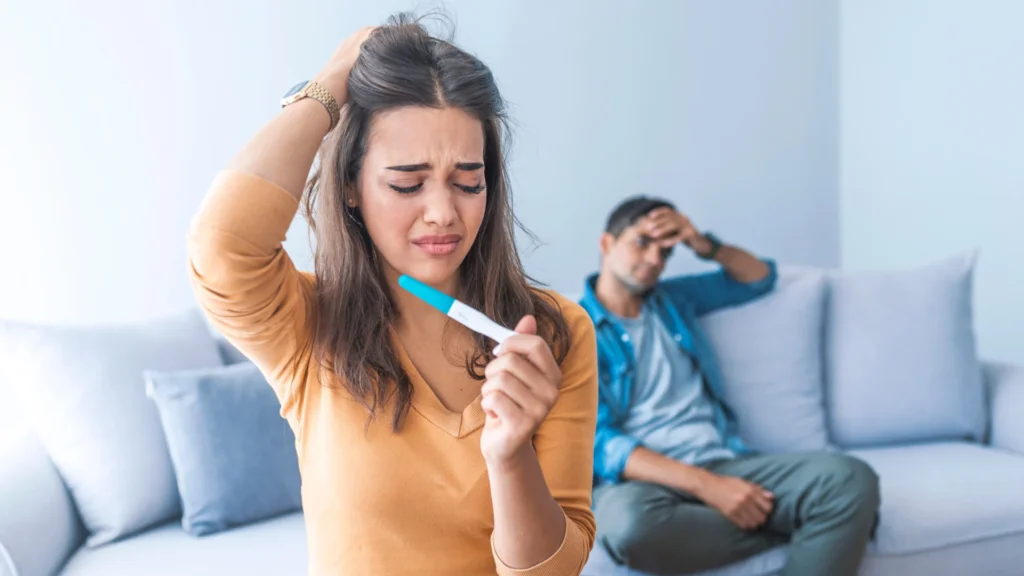
Nobody gives you a calendar for this part. The baby arrives, the hospital bag is unpacked, relatives line up with sweets and advice, and somewhere between two night feeds a quiet question starts to nag: when will things feel normal between us again?
Most couples never say it aloud. She wonders whether she will ever feel like herself. He worries about hurting her, or about being unwanted. Both stay silent, and that silence does more harm than the delivery ever did.
Here is the short answer. For most women, sex after pregnancy can resume once the bleeding has settled, the stitches or incision have healed, the doctor has given a go-ahead, and she genuinely wants to. That often falls around six weeks. Your body does not follow a calendar, though, so this guide explains what is happening inside you, what to expect when you restart, and when to ask for help.
What Changes in Your Body After Childbirth
For about six weeks the uterus works its way back toward its earlier size, a process called uterine involution. Meanwhile the lining that supported your baby leaves the body as postpartum bleeding, which doctors call lochia. It starts bright red, turns pink or brown, and fades to a pale discharge. Four to six weeks is typical.
- Hormones: Estrogen and progesterone drop sharply once the placenta is delivered. In a breastfeeding mother estrogen stays low, so the vaginal lining turns thin and easily irritated. Hence vaginal dryness after childbirth is so common.
- Tissue: The vagina and the skin around it stretch during birth. Small tears or an episiotomy cut need weeks to settle, and perineal tear healing is rarely quick or painless in the first fortnight.
- Abdomen: After a C-section there is a wound in the skin and another in the uterus. The skin looks healed long before the deeper layers are.
So, When Is It Actually Safe?
Most doctors suggest waiting until the six-week postnatal checkup. By then your doctor can examine the stitches, confirm the bleeding has stopped and check that the uterus has settled. It is a guide, not a deadline. Some women feel ready sooner than their body is. Plenty of others need three months or more, and that is perfectly acceptable.
Women who type how long to wait to have sex after giving birth into a search bar usually want a single number. Your own postpartum recovery timeline depends on the type of delivery, how much blood you lost, whether you are anaemic, how you sleep and how you feel emotionally. Look for these green lights before trying:
- Bleeding has stopped or is down to light spotting
- Stitches and incision feel healed and are no longer tender
- No fever, foul-smelling discharge or ongoing pelvic pain
- Your doctor has examined you and said it is fine
- You want to, rather than feeling it is expected of you
That last point matters most. In many Indian homes the first forty days after delivery are kept as a rest period for mother and baby. Medically, that tradition lines up well with the six-week mark. The trouble starts when forty days quietly become forty weeks of distance, with neither partner knowing how to raise the subject.
Normal Delivery, Stitches and C-Section: How Recovery Compares
If you have been hunting for sex after normal delivery answers, or wondering how a surgical birth changes things, this table puts the situations side by side. Treat the timings as typical ranges, not promises.
| Factor | Vaginal delivery, no tear | Vaginal delivery with tear or episiotomy | C-section |
| Usual earliest comfortable time | About 4 to 6 weeks | About 6 to 8 weeks, sometimes longer | About 6 weeks, once the wound has healed |
| Main physical concern | Bleeding, dryness, stretched tissue | Stitch soreness, fear of tearing again | Scar pain, pulling sensation, deeper uterine healing |
| Pain pattern | Dull ache or burning from dryness | Sharp pain near the stitches, tightness | Pain in certain positions, pressure on the lower abdomen |
| What helps most | Lubricant, slow pace, gentle muscle exercises | Warm sitz baths, doctor check of the scar, patience | Side-lying or woman-on-top positions, no pressure on the scar |
| See a doctor if | Heavy bleeding returns or burning persists | Swelling, discharge, wound opening, pain that will not ease | Fever, redness or oozing at the wound, severe abdominal pain |
A C-section is major abdominal surgery, so when can you have sex after c-section has a slightly different answer. The skin may look neat by week three, but the uterus needs six weeks or more, and scar tenderness can last for months. Likewise, sex after episiotomy stitches often feels tight and sore at first. That does not mean something went wrong. The tissue is still remodelling and usually eases with gentle pacing.
Why You May Not Feel Like It, and Why That Is Normal
A sentence I hear often in the consultation room: “Doctor, is something wrong with me? I have no desire at all.” Nothing is wrong with her. Postpartum sex drive commonly stays low for months, and several things add up at once.
- Hormones: Hormonal changes after childbirth, along with the milk-making hormone prolactin, quieten desire. Nature is prioritising the baby.
- Exhaustion: A body running on broken sleep has little left over. Sleep deprivation alone can flatten desire in anyone.
- Body image: Stretch marks, a softer belly and leaking breasts can make a woman shy in front of her own husband.
- Mood: Mild sadness in the first two weeks is common. When low mood, anxiety or irritability linger, postpartum depression and intimacy problems often arrive together, and that needs treatment rather than endurance.
If you are asking is it normal to not want sex after having a baby, the honest answer is yes, for most women, at least for a while. Desire usually returns slowly as sleep improves. But low libido after pregnancy that continues for many months, or comes with fatigue, hair fall or a loss of interest in everything, deserves a proper check. Thyroid trouble after delivery is more common than people realise, and it can mimic exactly these symptoms.
When Intimacy Hurts
A little discomfort the first time is common. Pain that keeps coming back is not something to grit your teeth through. Painful sex after delivery usually traces back to dryness from low estrogen, sensitive scar tissue, tight muscles or a tear that healed unevenly.
Fear of sex after childbirth makes muscles tighten in anticipation, tightening causes pain, and pain deepens the fear. In some women this becomes vaginismus after delivery, an involuntary spasm that makes penetration difficult or impossible. It is a recognised, treatable condition that responds to graded therapy and counselling, not to willpower.
- Use a generous amount of water-based lubricant, since oil-based products can damage condoms
- Stop at the first sharp pain instead of pushing through
- Mention persistent pain to your doctor rather than assuming it is permanent
Pregnancy Can Happen Sooner Than You Think
Many couples assume breastfeeding works as protection. It can lower the chance of conception, but only under strict conditions, and a woman ovulates before her first period returns, so there is no warning sign. That is why can you get pregnant while breastfeeding is among the most common questions in our clinic, and the answer is yes. The lactational amenorrhea method only works if the baby is under six months, feeds day and night without formula or solids, and your periods have not returned.
Please settle birth control after delivery before the first time, not after. Condoms, a copper IUD, an implant, progestin-only pills and injections are common choices. Pills containing estrogen are usually avoided in the early weeks because of clot risk. Your doctor will match the method to your feeding pattern. A fear of getting pregnant again so soon can shut desire down by itself, and settling this early brings real relief.
How to Ease Back Into Intimacy
These new mom intimacy tips come from years of listening to couples in exactly this phase. None of them need perfection.
- Talk first, in daylight. A 2 a.m. conversation while rocking a baby is the wrong setting. Say what you are afraid of, and stop without guilt if it hurts.
- Start without a goal. Non-penetrative intimacy such as cuddling, kissing, massage or a shared shower rebuilds closeness without pressure to go further.
- Give arousal time. Natural lubrication is slower after delivery, so gentle foreplay is what makes the experience comfortable.
- Choose positions that protect you. Safe sex positions after baby usually mean side-lying or the woman on top, which lets her control depth and keeps weight off the abdomen.
- Strengthen the support muscles. Pelvic floor exercises after delivery (squeeze as if stopping the flow of urine, hold a few seconds, release) can improve control and sensation. Build up slowly and ask a doctor or physiotherapist if it hurts.
- Plan the moment. Right after a feed, with a relative minding the baby for an hour, works far better than hoping for a free evening.
A Note for Husbands and Partners
Plenty of men feel lost in this phase and say nothing. These things help more than any advice on technique.
- Do not read her low desire as rejection. It is biology and fatigue, not a verdict on you
- Take over a night feed or the evening routine, because rest is the best foreplay a new mother can receive
- Ask before touching, and accept a no without sulking
- Watch your own mood too, since fathers also feel anxious or low after a baby arrives
Husband and wife intimacy after baby recovers faster when both talk openly. The biggest source of tension I see is mismatched desire after baby, where one partner is ready and the other is not. It is rarely about love. It is a timing gap that honest conversation and, where needed, counselling can bridge.
Warning Signs: See a Doctor First
Some symptoms should never be brushed aside. Contact your gynecologist if you notice any of these warning signs after delivery:
- Bleeding that soaks a pad within an hour, or bright red bleeding that returns after it had stopped
- Fever, chills or foul-smelling vaginal discharge
- Severe or worsening pelvic or abdominal pain
- A C-section wound or stitch line that is red, swollen, oozing or opening
- Swelling and pain in one calf, or sudden breathlessness, which need emergency care
- Persistent sadness, panic or thoughts of harming yourself or the baby, which need help the same day
When Talking to a Sexual Health Doctor Makes Sense
Many women are told, kindly but vaguely, to “give it time.” Time helps, but not always. A consultation is worth considering if pain continues beyond the first few attempts, if desire has not returned many months on, if fear stops you from even trying, or if tension with your husband is growing.
With over 36 years in practice, I have seen that most of these concerns have a clear cause and a practical solution. Consultations at our clinic are private, unhurried and free of judgement. We look at hormones, thyroid, diabetes and healing together with the emotional side. Couples can opt for sexual health counselling for couples, and women who prefer a female doctor can consult Dr. Renu Arora, our gynecologist.
A new mother cannot always leave the baby for a clinic visit, which is why we offer an online sexual health consultation by video or phone. If you are searching for a sexologist near me, find us at B Well Medihub, B2/6, Gandhi Path, Chitrakoot, Vaishali Nagar, near Mall of Jaipur and adjoining the Liberty showroom.
Book a Confidential Consultation with Dr. Jolly Arora
Call or WhatsApp: +91 91666-36900
Mon to Sat: 9 AM to 1 PM and 5 PM to 7 PM | Sunday: 9:30 AM to 11:30 AM
drjollyarora.consult@gmail.com
Frequently Asked Questions
1. Is it safe to have sex four weeks after delivery?
It depends on you, not the date. If bleeding has stopped, stitches no longer hurt and your doctor has examined you, some couples do try at four weeks. If you are still bleeding, wait, because the cervix has not fully closed and infection is more likely. Most doctors still advise about six weeks as the safer default.
2. Can intercourse damage my C-section stitches?
Once your doctor confirms the wound has healed, gentle intimacy will not tear it. Before that, pressure on the abdomen can cause pain and slow healing. If the scar turns red or oozes afterwards, get it checked.
3. Why does it hurt more than it did before the baby?
Low estrogen leaves tissue dry and thin, scar tissue can be tender, and tense muscles add to the pain. All three are treatable. Lubricant, slower pacing and, for some women, a prescribed vaginal estrogen cream help. Persistent pain deserves an examination.
4. Will my vagina stay loose permanently?
The tissues stretch during birth and recover over the following months. Regular muscle-strengthening exercises speed this up, and most women find sensation improves as healing completes. If little changes after several months, ask for an assessment.
5. Is light bleeding after intimacy normal?
Light spotting after intercourse can happen when dry or healing tissue is irritated. Heavy bleeding, bleeding with pain, or spotting that keeps recurring should be examined.
6. Does intimacy affect breast milk?
No. Milk supply is not affected, and sex during breastfeeding is safe for the baby. Breasts may leak when you are aroused, which is normal. Feeding or pumping beforehand makes it more comfortable.
7. Do we need protection the very first time?
Yes. You can ovulate before your first period returns, so pregnancy is possible even without a period. Decide the method with your doctor in advance.
8. My husband wants intimacy but I do not. What should I do?
Tell him plainly that this is about exhaustion and hormones, not about him. Offer other forms of closeness meanwhile. If the gap is causing arguments, counselling together helps.
9. Can thyroid trouble after pregnancy reduce desire?
Yes. Postpartum thyroiditis can cause tiredness, mood changes, weight change and low desire, and it is often mistaken for ordinary new-mother fatigue. A simple blood test can check it.
10. What happens in a consultation, and can I do it online?
We start by listening to your delivery details, symptoms and worries, then look at causes such as hormones, thyroid, pain and emotional strain. Online consultations follow the same process by video or phone, and everything discussed stays confidential.
Intimacy after a baby does not return on a schedule. It returns when healing is complete, when rest improves and when both partners feel heard. Be patient with your body, speak honestly with your partner, and do not wait in silence if something feels wrong. For personal guidance, call or WhatsApp +91 91666-36900.