Most people who come to me with a problem in the bedroom begin the same way. They look at the floor, say, “Doctor, I think something is wrong with me,” and then, ten minutes later and almost by accident, the phone comes up. A video habit that began in college. A scroll that now runs until 2 a.m. A partner asleep on the other side of the bed while the screen glows.
Nobody walks in saying the phone is the problem. Yet after more than 36 years of sitting across the table from men, women and couples, I can tell you it is very often part of the story. Sometimes a small part, sometimes the biggest one.
So here is what you probably came to find out: how closely are porn and sex life connected, and what do late-night phone habits have to do with it? The honest answer is more balanced than the scare stories or the shrugs you will find online. By the end of this article you will know what is normal, what is not, and what to do about it.
The Short Answer, Before We Go Deeper
Yes, they can affect it. But “can” is doing real work in that sentence. Plenty of people watch porn or scroll in bed without any trouble. What matters is how much, how often, and what it replaces.
- Occasional, unhurried use rarely causes harm on its own.
- Trouble starts when a screen becomes the main route to arousal, or the only way to switch off at night.
- Both men and women are affected, though they usually notice it in different ways.
- In most cases the effects can be reversed once the pattern is understood and changed step by step.
What Is Really Happening in Your Body and Brain
Sexual response is not just hormones and blood flow. The brain runs the show, and it loves novelty. Each time something new and exciting appears on screen, it releases dopamine, the chemical of anticipation and reward. Online video offers a fresh scene every few seconds, with no effort, no conversation and no risk of rejection.
A real partner cannot compete with that, and nobody should expect them to. When the brain gets used to constant high-intensity stimulation, ordinary closeness such as touch, eye contact and a slow build-up can start to feel flat. Nothing is wrong with your partner or your body. The brain has simply been trained to expect a different kind of signal.
Then there is the comparison trap. What you see online is scripted, edited, shot over many takes and performed by people chosen for the job. Men start measuring their stamina and bodies against it, and women measure their looks and responses. These unrealistic expectations breed fear, and fear is the enemy of good sex. Once you are watching yourself instead of feeling, sexual performance anxiety takes over, and the body answers stress by tightening, not relaxing.
How Porn Can Show Up in the Bedroom
These are the complaints I hear most often, put plainly:
- An erection that works perfectly when alone but fades with a partner. These erection problems confuse people because “everything works,” yet arousal has quietly become tied to the speed and novelty of a screen.
- Taking very long to finish with a partner, known as delayed ejaculation, because real touch no longer feels strong enough compared with what the body is used to.
- The opposite problem, premature ejaculation, often from years of rushed, secretive sessions where the goal was to finish before someone walked in.
- Fading interest in real sex, a kind of low libido that is really low interest in the partner rather than in sex itself.
- Distance. Less eye contact, fewer conversations, and emotional intimacy thinning out. Partners often sense this before the person does.
A fair word on the research, since this subject attracts exaggeration. Studies show a link between heavy porn use and sexual difficulties, but they do not prove porn is the only cause. Stress, depression, alcohol, relationship conflict and medical illness often travel alongside it. What I see in practice is that cutting back, combined with a proper evaluation, helps many people. The World Health Organization does recognise compulsive sexual behaviour as a condition, where urges feel impossible to control despite damage to a person’s life. Ordinary use is not classed as a disease.
The Late-Night Phone Problem Nobody Counts
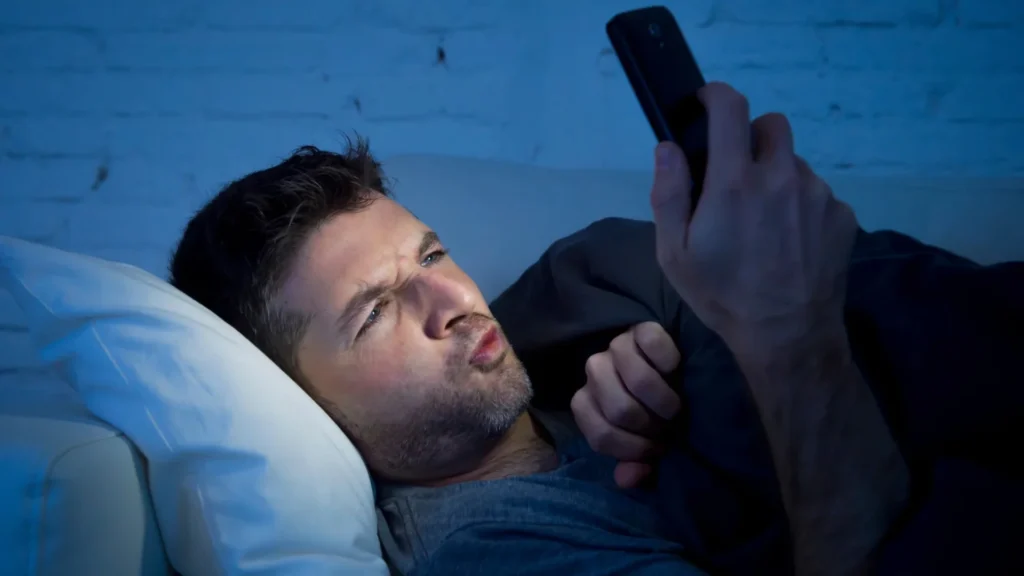
Porn gets the headlines, but in my clinic the humble phone in bed does equal damage and receives far less attention. Here is how it works:
- Poor sleep means lower hormones. A well-known 2011 study in JAMA found that healthy young men sleeping only five hours a night for a week saw their testosterone fall by roughly 10 to 15 percent. Chronic sleep deprivation is now so common that I meet tired 28-year-olds with the energy of men twice their age.
- Screens confuse the body clock. The blue light from a phone can delay melatonin, the hormone that tells you it is bedtime, so sleep arrives late and stays shallow.
- The scroll itself keeps you wired. Doomscrolling through news, reels and market updates keeps cortisol, the stress hormone, high, and stress and desire rarely share a bed.
- Time is stolen from the couple. There is even a word, phubbing, for ignoring your partner in favour of your phone, and it has been linked with lower relationship satisfaction.
- Total screen time eats the energy sex needs. “Too tired” is the reason I hear more than any other.
Women are not spared. Poor sleep and constant stress lower desire in women too, and feeling ignored for a screen switches it off even faster. Several women have told me they felt unseen long before they felt uninterested.
Healthy Habits vs Problem Patterns: A Quick Comparison
Use this as a rough guide, not a diagnosis. If your column leans to the right, it is worth paying attention.
| Area | Relaxed, healthy use | Pattern that needs attention |
| Frequency | Occasional and by choice | Daily or several times a day, and it feels hard to stop |
| Arousal | Works with a partner and alone | Works only with a screen or one type of content |
| Mood afterwards | Neutral or relaxed | Guilt, irritability, emptiness or shame |
| Sleep | Phone down before bed, around seven hours | Scrolling past midnight, tired mornings, afternoon crashes |
| Relationship | Open, comfortable, partner not avoided | Secrecy, avoiding touch, constant comparison |
| Daily life | Work, fitness and friendships unaffected | Poor focus, missed deadlines, withdrawing from people |
| Control | Can skip a few days without effort | Repeated failed attempts to cut down |
Signs It May Be Time to Look Closer
Ask yourself these questions honestly:
- Do you struggle to get or keep an erection with a partner, but not when alone?
- Have you tried to cut down and failed more than once?
- Do you need more extreme or more frequent content to feel the same excitement?
- Do you reach for your phone the moment you lie down, and sleep less than six hours?
- Do you avoid sex, or feel little during it?
- Do guilt, secrecy or anxiety follow, or does your partner say they feel ignored?
If you answered yes to two or more, it is not a flaw in your character. Many of these overlap with what doctors call sexual dysfunction, and they have identifiable, treatable causes.
What You Can Start Doing Tonight
You do not need a dramatic overhaul. Small, slightly boring changes work best.
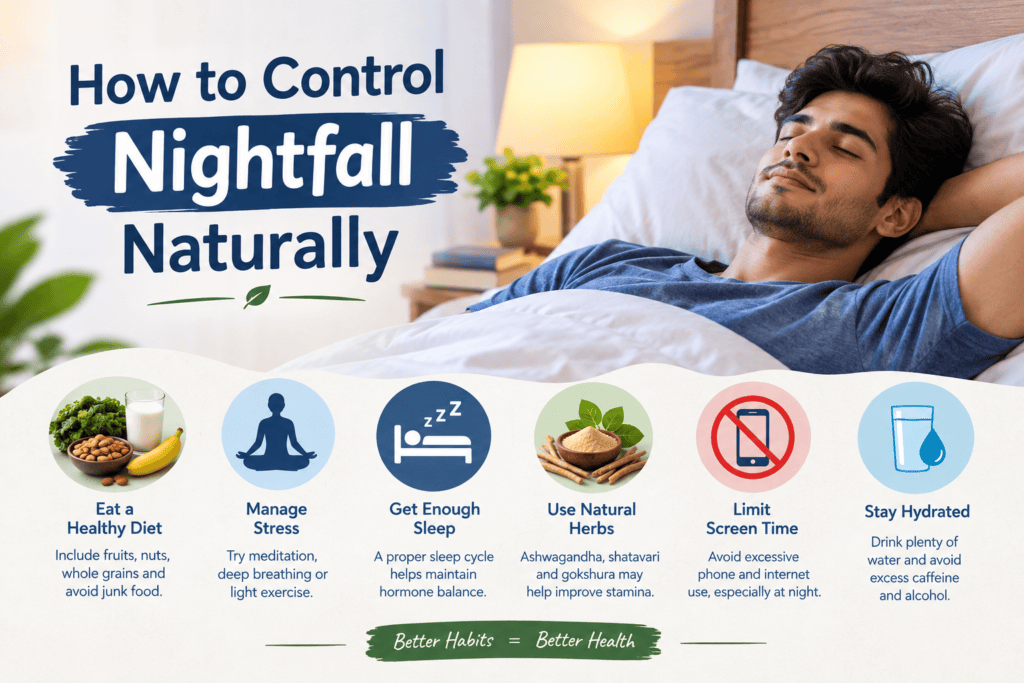
- Charge the phone outside the bedroom. If you use it as an alarm, buy an inexpensive alarm clock.
- Build a simple bedtime routine: a warm shower, light stretching, a few pages of a book, or a real conversation. Your brain learns the signal.
- Try a two-week digital detox from porn and from phones in bed. Many people notice stronger morning erections, better mood and renewed interest in their partner.
- Replace, do not just remove. A walk, a gym session or a hobby fills the gap far better than empty willpower.
- Talk to your partner. One honest conversation breaks the secrecy and shame loop faster than any app.
- Rebuild touch without pressure. For a week or two, cuddle, massage and kiss with no goal of intercourse.
- Stay away from “power capsules” and stamina pills sold through social media ads. Many are unregulated, and some interact badly with heart and blood pressure medicines.
When the Cause Is Not Just the Phone
Not every problem is a habit problem. Medical causes such as diabetes, high blood pressure, thyroid disease, low hormone levels, depression and certain medicines can produce exactly the same complaints. Erection trouble can even be the first sign of heart disease. That is why guessing from internet forums can waste months, and why I always examine the whole picture before suggesting anything.
How We Help at the Clinic
The first visit is a private, judgement-free conversation. I ask about sleep, stress, habits, relationships and health history, examine you if needed, and advise basic tests such as blood sugar, thyroid and hormone levels only when they are really required. Then we build a plan around you, which may include:
- Cognitive behavioural therapy to break the habit loop and reduce anxiety.
- Sex therapy exercises that rebuild confidence and response, alone or with a partner.
- Medicines, but only when a medical reason exists.
- A realistic sleep, exercise and screen plan.
- Couple counselling when the relationship has taken the strain.
I do not promise overnight miracles. Most people see steady improvement over a few weeks to a few months, depending on the cause and the effort put in. Everything you share stays completely confidential.
Your Problem Is More Common Than You Think, and Very Treatable
If any part of this article sounded like you, please do not wait for it to get worse. Searching for a sexual health doctor near me is a good first step, and a visit to a sexologist in Vaishali Nagar, Jaipur can give you clarity in a single consultation. If you would rather start from home, a private online sexologist consultation is also available.
Clinic: B Well Medihub, B2/6, Gandhi Path, Chitrakoot, Vaishali, near Mall of Jaipur (adjoining Liberty Showroom)
Call or WhatsApp: +91 91666-36900 | Mon to Sat: 9 AM to 1 PM and 5 PM to 7 PM | Sunday: 9:30 AM to 11:30 AM
Book an appointment: https://drjollyarora.com/book-appoinment/
Frequently Asked Questions
Q1. is watching porn every day normal
Many adults do it, so you are not alone, but common and harmless are not the same thing. Daily use deserves a closer look if it affects your sleep, your mood, your desire for your partner or your ability to cut down. If none of that is happening, there is usually no cause for alarm.
Q2. can porn cause erectile dysfunction
It can contribute, particularly in younger men whose medical tests are normal. Habit, anxiety and arousal tied to a screen can all interfere with partnered sex. It is rarely the only factor, which is why I check blood sugar, blood pressure, hormones and stress before blaming porn alone.
Q3. is porn addiction real
Doctors do not use the word addiction for porn in a strict sense, but the problem itself is real. When use feels out of control and harms sleep, work or relationships, it is treated as a compulsive pattern. The label matters less than the help, and it responds well to counselling and structured change.
Q4. how to stop watching porn
Start with triggers, not willpower. Notice when it happens, often late at night, bored or stressed. Take the phone out of the bed, add a website blocker, fill the gap with exercise or a hobby, and tell someone you trust. If you keep slipping, therapy works far better than self-blame.
Q5. does lack of sleep reduce sex drive
Yes, in both men and women. Poor sleep lowers energy, mood and hormone levels, and desire follows. If you are wondering how to increase libido naturally, begin with seven to eight hours of sleep, regular exercise, less alcohol and lower stress. Those basics help more than most supplements.
Q6. can mobile phone addiction affect sex life
Indirectly, yes. It steals sleep, shortens conversations, raises stress and leaves partners feeling ignored. Intimacy needs time, calm and attention, and a phone demands all three first. Many couples notice a difference within weeks of agreeing on phone-free evenings.
Q7. how long does it take to reset after quitting porn
There is no fixed timeline. Some people notice stronger morning erections and more interest in their partner within two to four weeks. Others need two or three months, especially when anxiety or a medical cause is involved. Consistency and professional support speed things up.
Q8. why do I lose my erection with my partner but not alone
Usually the mind is involved more than the body. Worry about performing, pressure to impress and arousal built around a screen can switch off the response in real situations. Since it works alone, blood flow is often fine, which is reassuring. A proper evaluation confirms this and shapes the treatment.
Q9. does porn affect women’s desire
It can. Some women feel pressure to match what they see, others feel hurt or insecure when a partner uses it heavily. Even so, stress, poor sleep and feeling unseen usually affect female desire just as much. Open conversation, and counselling if needed, helps both partners.
Q10. when to see a sexologist
Consider it when the problem lasts more than a few weeks, you have tried to change it and could not, your relationship is suffering, or you feel anxious or ashamed. You do not need to wait for a crisis. An early visit is usually shorter, simpler and far less stressful.
About the author
Dr. Jolly Arora is a sexual medicine specialist in Jaipur with over 36 years of clinical experience. He holds an MBBS, MCCEE and a Fellowship in Sexual Medicine, and received a Best Sexologist award in 2014. He works with individuals and couples on sexual health, relationship and intimacy concerns.