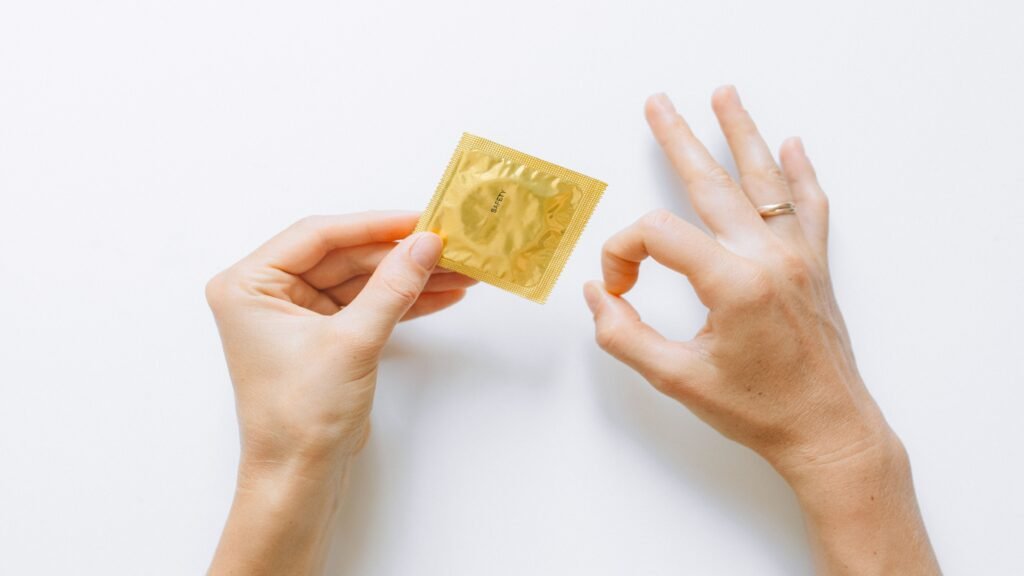
Talking openly about sex is still a little uncomfortable for many people, even in a city as modern as Jaipur. But here’s the honest truth: safe sex isn’t only about dodging pregnancy or infections. It’s really about respecting your own body, respecting your partner, and choosing to act on real knowledge rather than just crossing your fingers and hoping things work out.
This guide keeps things simple — no confusing medical terms, no lecturing tone. Just straightforward, useful information you can actually put to use.
What Does “Safe Sex” Actually Mean?
Safe sex covers more ground than most people realize. It includes things like:
- Avoiding an unplanned pregnancy
- Guarding against sexually transmitted infections (STIs)
- Knowing how your body’s fertility cycle actually works
- Picking contraception that genuinely fits your situation
Plenty of couples in Jaipur, and honestly everywhere else too, end up relying on half-truths picked up from friends or random internet searches. That’s the gap this guide is trying to fill.
Understanding the Menstrual Cycle and Safe Days
One question that comes up again and again is about the safest day to have sex if you’re trying to avoid pregnancy. To make sense of that, it helps to understand roughly how the menstrual cycle functions.
Most cycles run about 28 days, though anywhere from 21 to 35 days is considered normal. Ovulation — the point where the ovary releases an egg — typically falls around day 14 in a 28-day cycle. This is the stretch where pregnancy is most likely to happen.
Is It Safe for Sex After Menstruation?
A lot of women wonder whether it’s safe for sex after menstruation, and truthfully, it comes down to how long your cycle is. Right after your period wraps up, pregnancy odds tend to be lower since ovulation hasn’t kicked in yet. That’s why some couples treat the days just after their period as a somewhat safer window.
But “somewhat safer” isn’t the same as risk-free. Sperm can hang around inside the body for up to five days, so if your cycle runs short, ovulation might arrive earlier than expected — meaning pregnancy is still on the table even a few days post-period.
Is It Safe to Sex After Period Ends?
Same question, just phrased differently, and it’s one people ask constantly. Those first few days after your period tend to carry lower risk, but not zero risk. If pregnancy isn’t part of the plan and you want to play it safe, don’t lean on timing alone — back it up with actual protection.
Safe Sex Menstruation: What About During Periods?
Some couples specifically ask about safe sex menstruation — basically, is sex during your period okay? Medically speaking, it’s possible, and pregnancy chances do drop during this window (though never completely to zero). That said, infection risk goes up a bit, since the cervix opens slightly during menstruation and blood can act as a breeding ground for bacteria. If you’re having sex during your period, a condom isn’t a bad idea — it covers both hygiene and protection.
Safe Sex Period to Avoid Pregnancy
Trying to map out the safe sex period to avoid pregnancy? Here’s a rough guide for someone with a 28-day cycle:
- Days 1–7: Period, plus the days right after — lower risk
- Days 8–13: Getting closer to ovulation — risk climbing
- Day 14 (roughly): Ovulation — highest risk point
- Days 15–28: Post-ovulation — risk fades again as the next period approaches
This is often called the calendar or rhythm method. It works reasonably well if your cycles are consistent. But if your periods are irregular, this approach loses its reliability pretty quickly.
Using a Safe Sex Calculator
This is exactly where a safe sex calculator proves useful. Plenty of free apps and websites let you punch in the first day of your last period along with your average cycle length, and they’ll estimate your fertile window along with the relatively safer days. It’s a handy tool — just don’t treat it as gospel. Things like stress, illness, travel, and hormonal shifts can all throw ovulation off schedule, so the calculator gives you an estimate, not a guarantee.
Safe Sex Without Pregnancy: What Actually Works
Timing-based methods are useful, sure, but if you’re serious about safe sex without pregnancy, pairing timing with a proper contraceptive method is a much stronger bet. Here’s what’s commonly used:
1. Condoms
Still among the easiest and most effective choices out there. They prevent pregnancy and lower STI risk too — something calendar tracking simply can’t offer.
2. Pills for Safe Sex
When people search for pills for safe sex, they’re usually talking about one of two things:
- Daily birth control pills — these stop ovulation from happening and should only be started after talking to a doctor.
- Emergency contraceptive pills (the morning-after pill) — designed for unexpected situations, taken within 72 hours after unprotected sex. Important note: this isn’t meant for regular use. It’s strictly an emergency backup, not a go-to method.
It really is worth having a conversation with a gynaecologist before starting any pill — the right one for you depends on your health background, any other medications you’re on, and your day-to-day lifestyle.
3. IUDs (Copper T or Hormonal)
This is more of a long-haul option, fitted in by a doctor. Once it’s in, you’re not stuck remembering something daily or monthly.
4. Injectables and Implants
These aren’t as common in India but they do exist — depending on the type, they can last anywhere from a few months to a few years.
How to Have Safe Sex Without Protection (If That’s Where You’re At)
Some people specifically ask how to safe sex without protection — no condoms, no pills, nothing beyond natural methods. If that’s genuinely your situation, here’s what can help lower the risk, even if it can’t erase it entirely:
- Track your cycle closely using an app or calculator, and do it over several months rather than relying on a single guess
- Steer clear of the fertile window entirely — roughly days 10 through 17 in a 28-day cycle
- The withdrawal method can act as a backup, though it’s shaky on its own since pre-ejaculate can still carry sperm
- Have an honest conversation with your partner about how much risk you’re both comfortable with
I’ll be upfront about this — skipping protection always means taking on more risk, whether that’s pregnancy or an infection. If your goal is avoiding both, natural methods by themselves just aren’t the strongest defense.
Safe Sex During Pregnancy
This tends to catch people off guard. A lot of couples assume sex is off the table the moment pregnancy is confirmed, but that’s usually not the case. Safe sex during pregnancy is typically fine for most healthy pregnancies, right up until close to delivery — unless a doctor has flagged specific concerns like placenta previa, risk of preterm labour, or other complications.
A few things worth remembering during pregnancy:
- Comfort becomes more of a factor as the pregnancy advances — some positions just won’t work well, particularly in the third trimester
- There’s no real need to worry about harming the baby during normal, healthy sex — the uterus and amniotic sac provide solid protection
- If you notice bleeding, cramping, or anything unusual afterward, mention it to your doctor
- For a high-risk pregnancy, get direct guidance from your obstetrician instead of making assumptions
Don’t Forget STI Protection
Most safe sex conversations tend to zero in on pregnancy, but STIs deserve just as much attention — arguably more, since a lot of infections don’t show obvious symptoms right away.
A few habits worth building in:
- Use condoms every time, not just occasionally
- Get tested regularly if you’re seeing multiple partners or starting things with someone new
- Don’t assume being monogamous automatically means you’re safe, unless both of you have actually been tested
- Steer clear of sharing personal items that come into contact with bodily fluids
When It’s Time to See a Doctor or Sexual Health Specialist
If you’re unsure about which contraception suits you, dealing with irregular periods that throw off timing-based methods, or just tired of piecing things together from Google and random apps, it’s worth booking time with an expert instead. In Jaipur, sexual health specialists like Dr. Jolly Arora, who focuses on sexual problems consultation and treatment, can walk you through contraception options, help you understand your cycle, and address any sexual health concerns in a private, judgment-free space. Sometimes a short fifteen-minute chat with the right doctor sorts out confusion that months of online searching never could.
Final Thoughts
Safe sex really isn’t about fear-mongering — it’s about knowing enough to make choices that actually protect both you and your partner. Whether you’re trying to pin down your safe days, figure out the right pills for safe sex, or just want clarity around sex during your period or pregnancy, the bottom line stays the same: don’t rely purely on guesswork. Pair cycle awareness with real protection, and don’t hold back from talking to a doctor whenever something feels uncertain. It’s your body and your health — just make sure whatever you decide comes from being properly informed.
FAQs
1. Is it completely safe to have sex right after my period ends?
It carries relatively lower risk, but it’s not a sure thing — especially if your cycle runs on the shorter side. Sperm can survive up to five days, so timing by itself isn’t foolproof.
2. Can I get pregnant while on my period?
It’s less likely, but definitely still possible — particularly with shorter or irregular cycles, where ovulation can show up earlier than you’d expect.
3. How reliable is a safe sex calculator, really?
It’s a solid estimation tool based on your cycle length, but it won’t be 100% accurate since ovulation can shift because of stress, illness, or hormonal changes.
4. Is it okay to take birth control pills without talking to a doctor first?
Better to check with a gynaecologist beforehand. Pills mess with your hormones and can interact poorly with other health issues or medications.
5. Can everyone have sex safely during pregnancy?
For most healthy, low-risk pregnancies, yes, that’s generally fine. But if there are any complications involved, always confirm with your doctor first.
6. Does the withdrawal method actually count as safe sex without protection?
It cuts down risk a bit, but it’s not dependable on its own — pre-ejaculate fluid can still contain sperm.
7. Can condoms still fail even when you use them the right way?
Occasionally, yes — due to manufacturing flaws, expiry dates, or poor storage. But when used consistently and correctly, they’re still one of the more dependable protection methods around.
8. When should I stop self-researching and see a sexual health specialist instead?
If you’re dealing with irregular cycles, recurring infections, confusion around contraception, or any ongoing sexual health concern, it’s genuinely worth setting up a consultation rather than depending only on what you find online.