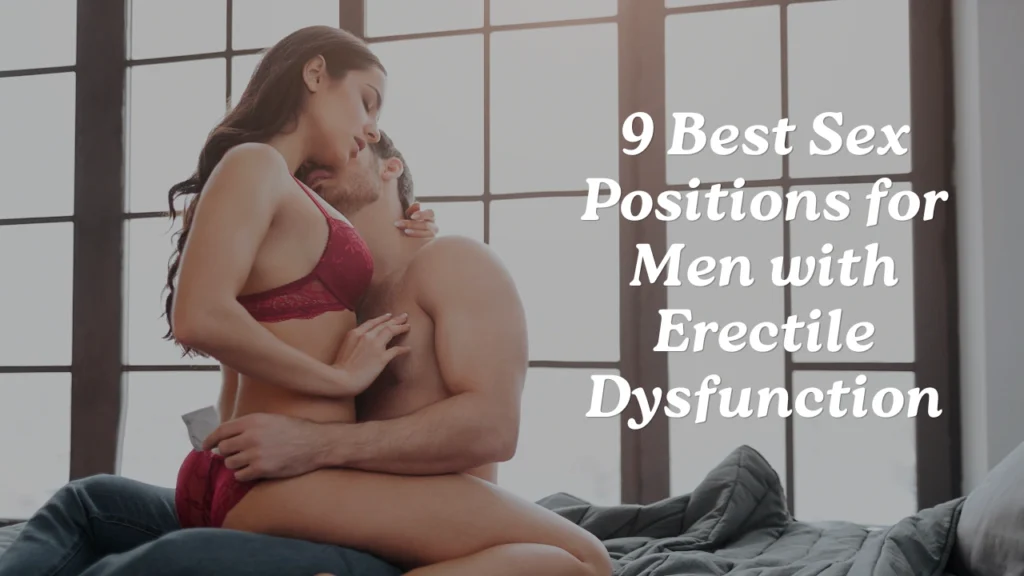
If you’ve been avoiding intimacy because of erectile dysfunction, you’re far from alone, and more importantly, you don’t have to sit this one out. In my clinic here in Jaipur, this is one of the most common concerns men bring up, and almost every single time, there’s a mix of relief and surprise on their face when I tell them how much simply changing position, pace, or approach can help.
ED isn’t just about medication or willpower. A lot of it comes down to blood flow, muscle tension, anxiety, and how much physical effort a position demands. Some positions put more pressure on the pelvic muscles and require sustained rigidity, which can work against you if you’re dealing with erection difficulties. Others are built around comfort, control, and reduced performance pressure, which is exactly what tends to help. This guide walks through nine positions I regularly recommend to patients, along with the practical reasoning behind each one.
Why Position Actually Matters with ED
Before jumping into the list, it helps to understand why this even makes a difference. Erectile dysfunction is often tied to reduced blood flow, nervous system response, and psychological pressure, three things that get directly affected by physical positioning. Positions that require less muscular effort, allow better blood circulation, and reduce the mental pressure of “performing” tend to work far better for men managing ED, compared to positions that demand sustained exertion or a fully rigid erection to begin with.
Another thing I always tell my patients, communication with your partner matters just as much as the position itself. Reducing pressure, keeping things relaxed, and being open about what’s happening physically goes a long way toward easing the anxiety that often makes ED worse.
I also remind couples that intimacy doesn’t have to follow a fixed script. There’s no rule that says penetration has to happen within the first few minutes, or that an erection needs to be at its firmest the entire time. Giving yourselves permission to slow down, experiment, and even laugh a little when things don’t go perfectly tends to take the edge off far more than people expect. Most of the men I treat are surprised to learn that their partners are usually far more understanding and patient than they had assumed.
1. Spooning
This is usually the first position I suggest to men newly dealing with ED. Lying side by side, facing the same direction, removes almost all physical strain and keeps things slow and relaxed. There’s minimal pressure to maintain a fully rigid erection throughout, and the closeness itself tends to ease performance anxiety, which is often half the battle.
2. Modified Missionary with Pillow Support
A classic position, but with one small adjustment, placing a pillow under the hips can shift the angle enough to make penetration easier even with a partial erection. This variation also allows the man to stay relaxed rather than holding himself up on his arms, which reduces overall muscular tension.
3. Partner on Top
Letting your partner take the lead physically shifts a lot of the exertion away from you, which is exactly what’s needed when fatigue or muscle tension is part of the problem. It also allows for more direct control over depth and rhythm, and for a lot of couples, this shift in control actually reduces performance pressure on the male partner considerably.
4. Seated, Face-to-Face
Sitting positions, whether on the edge of a bed or a chair, keep blood flow steady since there’s less muscular strain than standing or fully weight-bearing positions. This one also tends to work well for men managing both ED and mild anxiety, since the face-to-face closeness supports emotional connection alongside the physical side of things.
5. Side-Lying, Face-to-Face
Similar to spooning but facing each other, this position keeps everything low-effort while still allowing intimacy and eye contact. It’s particularly useful for men who experience ED alongside fatigue or lower back discomfort, since neither partner needs to support their own body weight.
6. Reverse Cowgirl with Support
With the partner on top and facing away, this position takes the physical demand off the man almost entirely. Adding a pillow or cushion under the hips for support can help maintain a comfortable angle, and the reduced need for active thrusting on the man’s part makes it a solid option when maintaining rigidity through movement is the main struggle.
7. Standing, Supported
This one isn’t for everyone, but for men whose ED is more anxiety-driven than physical, a supported standing position (against a wall or sturdy furniture) can actually help by keeping arousal and blood flow more active through movement. That said, it does require decent stamina, so it’s worth trying only once you’re feeling reasonably confident.
8. Doggy Style, Modified
A lower, more relaxed version of this position, resting on forearms rather than fully extended arms, reduces upper body strain and allows a shallower, easier angle. This can be helpful for men who find full extension tiring or who lose rigidity when too much muscular effort is involved.
9. Cuddling with Manual or Oral Intimacy First
Sometimes the most helpful “position” isn’t a position at all, it’s giving yourself permission to skip straight to penetration less rigidly. Spending more time on manual or oral intimacy before attempting penetrative sex can naturally build arousal and blood flow, taking pressure off the idea that an erection needs to happen instantly and stay firm the whole time.
A Note on Confidence and Communication
None of these positions are a substitute for addressing the underlying cause of erectile dysfunction, but they genuinely do help reduce the immediate pressure that often makes the problem worse. In my experience treating patients across Jaipur, the men who recover fastest, physically and emotionally, are the ones who talk openly with their partner and don’t treat every encounter as a performance test. ED is common, it’s treatable, and it doesn’t have to define your intimate life.
If ED is a recurring issue rather than an occasional one, it’s worth getting a proper evaluation. Sometimes it’s linked to underlying conditions like diabetes, blood pressure issues, hormonal imbalance, or stress, all of which are manageable once identified. As a sexologist in Jaipur, I always recommend a combination of medical evaluation, lifestyle adjustments, and, where needed, targeted treatment rather than relying on guesswork.
Final Thoughts
Erectile dysfunction can leave a man feeling alone, yet it is among the most common concerns I see, and also one of the most treatable. Small changes, such as trying different positions, can take the pressure off and help bring confidence back straight away. For lasting improvement, though, the underlying cause needs proper medical attention. A male sexologist online consultation gives you a private, comfortable way to talk openly and start that process without embarrassment. Help is available, and you don’t have to work through this by yourself.
Frequently Asked Questions About ED and Sex Positions
1. Can changing sex positions actually help with erectile dysfunction?
Yes, to a meaningful extent. Positions that reduce physical strain, improve blood flow, and lower performance pressure can make maintaining an erection considerably easier, even though they don’t treat the underlying medical cause.
2. Is erectile dysfunction common in younger men too?
It is more common than most people assume. While ED becomes more frequent with age, stress, anxiety, lifestyle habits, and certain health conditions can cause it in younger men as well.
3. Should I see a sexologist if I only experience ED occasionally?
Occasional episodes are usually normal and often linked to stress, fatigue, or alcohol. However, if it happens frequently or is affecting your confidence and relationship, it’s worth getting evaluated rather than waiting.
4. Are these positions a replacement for ED medication or treatment?
No. These positions help manage the physical and psychological pressure around intimacy, but they don’t address underlying causes like poor circulation, hormonal issues, or anxiety, which is where proper medical treatment comes in.
5. Does performance anxiety make ED worse?
Very often, yes. Anxiety triggers a stress response that can directly interfere with blood flow, creating a cycle where fear of ED actually contributes to it happening again.
6. What lifestyle changes help with erectile dysfunction?
Regular exercise, better sleep, reducing alcohol and smoking, managing stress, and maintaining a healthy weight all support better blood flow and hormonal balance, both of which directly affect erectile function.
7. Can diabetes or blood pressure issues cause ED?
Yes, both are among the leading physical causes of erectile dysfunction, since they affect blood vessels and circulation. This is one of the main reasons a proper medical evaluation matters.
8. Is it normal to feel embarrassed talking to a doctor about ED?
Completely normal, and also completely unnecessary to worry about. It’s one of the most frequently discussed concerns in a sexologist’s clinic, and there’s nothing about it that a doctor hasn’t heard before.
9. How is erectile dysfunction diagnosed?
Diagnosis usually involves a detailed medical history, a physical examination, and sometimes blood tests to check for underlying conditions like diabetes, low testosterone, or cardiovascular issues.
10. Can Dr. Jolly Arora help with online consultation for ED in Jaipur?
Yes, online consultations are available for men who prefer a private, confidential discussion from home before deciding on an in-person visit or further treatment.